International SEO Strategy & Auditing
Technical, content, backlink and AI search audits for each target market, turned into a prioritized plan.
SEO is the Single Biggest and Most Cost-Effective Channel to Acquire New Customers Across Borders.
Search engines drive 53% of all website traffic, more than any other channel. We get brands ranking in each market's language and search engines through technical SEO, multilingual content, local link building and visibility in AI search.Source ↗ (opens in a new tab)

BrightEdge reports that search engines send 53% of all website traffic, more than social media, paid ads and direct visits put together.Source ↗ (opens in a new tab)
If you aren't ranking in a market, that demand goes to whichever competitor localized first.
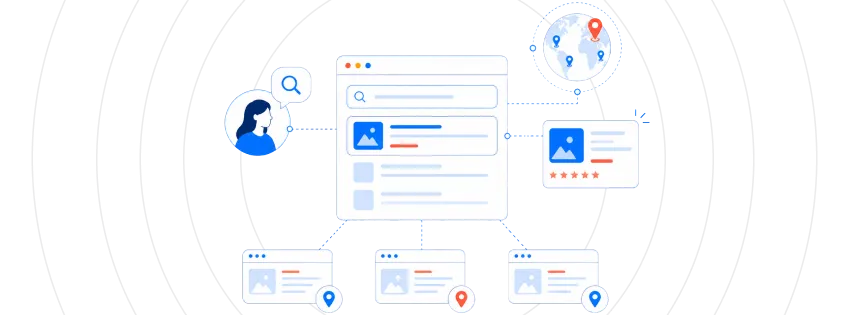
Ahrefs notes that around 68% of online experiences begin with a search engine, and most purchases start there.Source ↗ (opens in a new tab)
International SEO puts your products in front of those people, in their language, when they search.
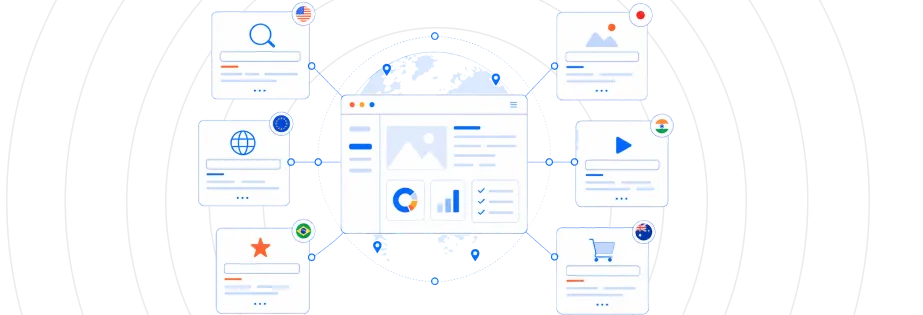
Google dominates global search with roughly 92% market share, but in some markets it isn't the one that matters most. Statcounter shows Yandex remains dominant in Russia, Naver competes strongly with Google in South Korea, Baidu leads in China, and Bing's share is rising as SearchGPT and Copilot integrations expand.Source ↗ (opens in a new tab)
So the technical setup, content and link building need to suit the search engines people actually use in each market.

People buy in their own language. CSA Research's "Can't Read, Won't Buy" study found that 76% of online shoppers prefer to buy products with information in their own language, and 40% will not buy from sites in other languages.Source ↗ (opens in a new tab)
That means content researched and written for each market, not machine-translated after the fact.
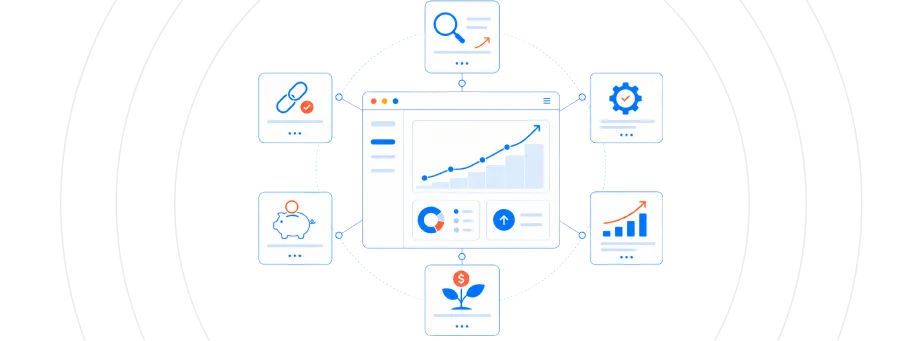
Unlike paid ads, SEO keeps working after you stop spending. HubSpot reports that SEO leads have a 14.6% close rate compared to 1.7% for outbound leads, and Backlinko analysis shows that pages reaching the top three Google positions capture more than 54% of all organic clicks.Source ↗ (opens in a new tab)
Rankings you earn in one year keep bringing in leads the next, in every market where you hold them.
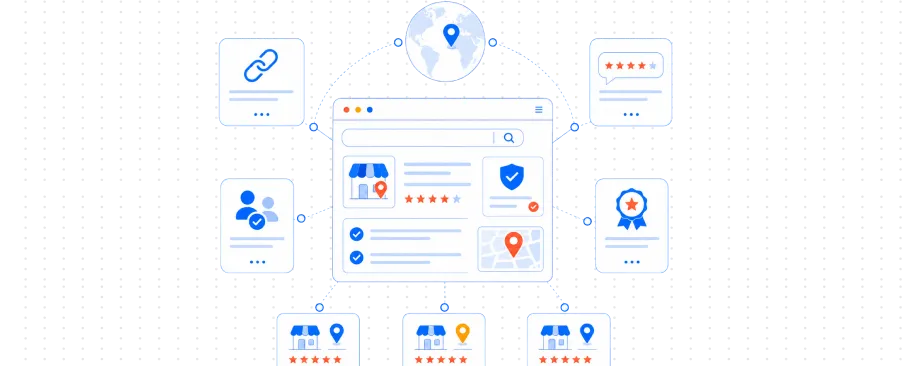
Search engines favour sites that are trusted locally, through local backlinks, regional press coverage and citations. Moz's Local Search Ranking Factors survey consistently puts links from locally relevant sites among the strongest ranking factors.Source ↗ (opens in a new tab)
A technically sound site still needs that local authority before it ranks well enough to bring in traffic and sales.
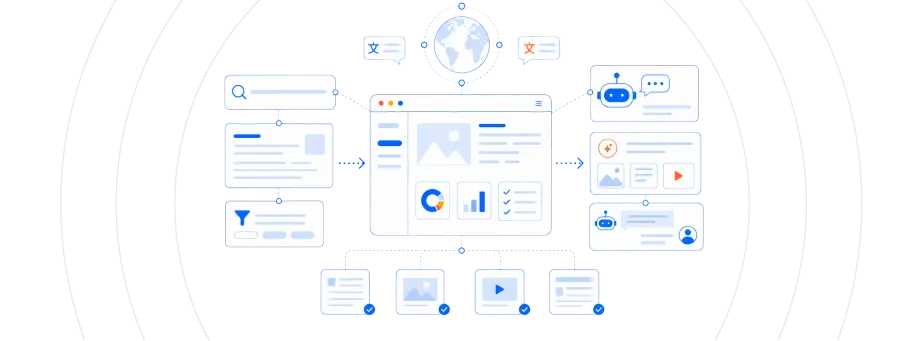
Gartner predicts that traditional search engine volume will drop 25% by 2026 as AI chatbots and virtual agents reshape discovery, and Adobe Analytics reports that traffic from generative AI sources to U.S. retail websites increased 1,200% between July 2024 and February 2025.Source ↗ (opens in a new tab)
Your content now has to rank in search engines and be cited by AI tools like ChatGPT, Google AI Overviews, Gemini and Perplexity, in each language you sell in.
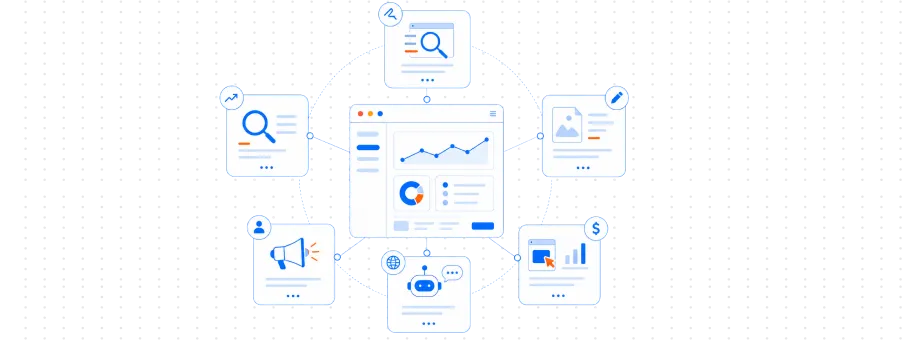
SEO works best alongside content marketing, GEO, Digital PR and paid media. McKinsey research shows that companies running integrated, omnichannel growth programs generate up to 30% higher revenue growth than those operating in channel silos.Source ↗ (opens in a new tab)
We plan SEO with those channels, so each one supports the others.

We audit your site in each priority market and language: technical setup, hreflang, indexation, content, keyword rankings, backlinks, and how often AI tools mention you. You get a prioritized list of the changes most likely to lift rankings, traffic and revenue.

We fix the foundations first: domain strategy (ccTLD, subdomain, subdirectory), hreflang implementation, IP and geo-detection logic, site speed, crawlability, indexation, structured data, and AI-readiness. Content and links won't hold rankings on a site with technical problems.

We research and write content for each market, structured so search engines rank it and AI tools can quote it. We localize rather than translate, choosing keywords, topics, tone and examples for how people search in that country.

We earn local backlinks, press coverage and brand mentions in each priority market. These build the outside authority that lifts rankings and makes AI tools more likely to recommend you.

We report rankings, organic traffic, conversions, AI citations and revenue for each market and overall. When a market works, we put more into what's driving it and take the program into the next languages and countries.
Technical, content, backlink and AI search audits for each target market, turned into a prioritized plan.

Choose the domain structure (ccTLD, subdomain or subdirectory) and site architecture that will scale as you add markets.

Set up and test hreflang, geo-targeting, indexation rules, structured data and IP detection.

Keyword research and content planning done in each language, based on what people there actually search for.

Improve site speed, Core Web Vitals, crawl budget, internal linking, schema and on-page SEO.

Write and optimize content in each language you need, built to rank, convert and be cited by AI tools.

Earn backlinks and press coverage from sites that matter in each market.

Make your brand easier for AI tools to find, understand and recommend, alongside your search rankings.

Dashboards for rankings, organic traffic, conversions, AI citations and revenue, by market and overall.
Cross-border growth is all we do. We know how SEO changes from one language, search engine and regulatory environment to the next.
Our team handles keyword research, content, technical work and Digital PR in multiple languages, so the SEO reads as local in each market.
We do technical SEO, content and Digital PR in-house. You need all three to turn rankings into traffic, and traffic into revenue.
We run SEO and Generative Engine Optimization together, so the same content and links work in search engines and AI answers.
We use the leading SEO platforms and AI tools, and work with local partners for outreach and content in markets where we don't have our own team.
International SEO is the practice of optimizing a website to rank in multiple countries and languages. It covers the technical setup (domain strategy, hreflang, geo-targeting), keyword research and content in each language, local link building and, increasingly, visibility in AI search.
Regular SEO usually targets one country and one language. International SEO has to handle several markets, languages and search engines (Google, Bing, Yandex, Naver, Baidu), each with its own search habits and regulations, plus a site structure that keeps them all separate.
The right answer depends on your brand strategy, market priorities, technical resources, and existing domain authority. We'll weigh the trade-offs with you, recommend a structure, and handle the migration if you need to change.
They overlap heavily. The content, site structure and backlinks that help you rank in Google also affect whether ChatGPT, Google AI Overviews, Gemini and Perplexity cite and recommend you. We plan for both from the start.
Technical fixes and early content often show results within the first few months. Competitive rankings usually take six to twelve months to build, and keep growing after that. We aim for some quick wins while the longer-term work takes hold.
Make Sure Your Brand Is Found in Every Market That Matters.
Ranking in one language isn't enough when your customers are in ten. Winning organic and AI search in each market takes sound technical SEO, content written for that market, local authority and a plan that fits your wider growth strategy.
We build that program with you, from the technical foundations to the content and links that keep you ranking.
Let's Build Your International SEO StrategyWhether you need a complete international growth strategy or advice on a single market, we'd like nothing more than to dive into the details of your project.