Multilingual Content Strategy & Auditing
Review your existing content in each market and language to find gaps, duplicates, weak pages and room to expand.
Content Written for Each Market, in Its Own Language.
76% of online shoppers prefer to buy with information in their own language. We plan, write and promote content for each market rather than translating it from English, so it ranks, gets cited by AI tools and brings in customers.Source ↗ (opens in a new tab)
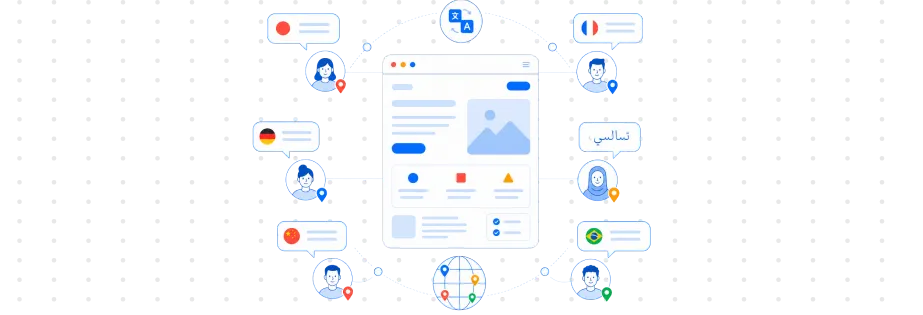
People everywhere prefer to read about products in their own language. CSA Research's "Can't Read, Won't Buy" study, surveying 8,709 consumers across 29 countries, found that 65% prefer content in their own language even if it is of lower quality, and while 67% put up with mixed-language websites, they are far less likely to buy without content in their language.Source ↗ (opens in a new tab)
Content written in each customer's language meets them where they're most comfortable.

Localization adapts the tone, imagery, references and selling points so content feels local, not translated. Demand for that kind of work is growing fast: Nimdzi Insights estimates the global language services market passed $69 billion in 2023.Source ↗ (opens in a new tab)
Content that feels local earns the trust that turns readers into customers.
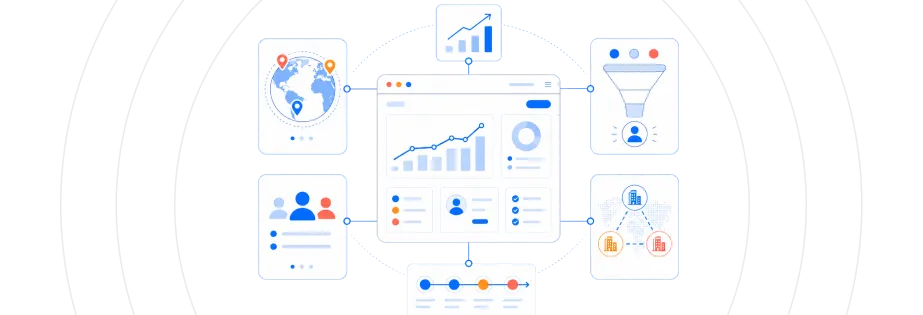
Content is one of the most reliable ways to generate leads. Ahrefs reports that 76% of marketers affirm content marketing's role in lead generation, and a documented content strategy is in place for 40% of B2B marketers, a figure that rises to 64% among the most successful.Source ↗ (opens in a new tab)
A planned program of content in each language turns that interest into qualified leads in every market.
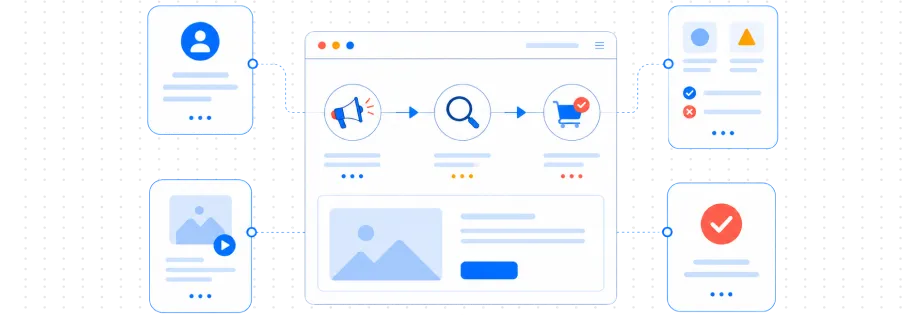
Buyers read before they choose. Blogging Wizard reports that 71% of consumers read at least one blog post on their way to a purchase.Source ↗ (opens in a new tab)
Content in their language puts your brand in that research, wherever they are.
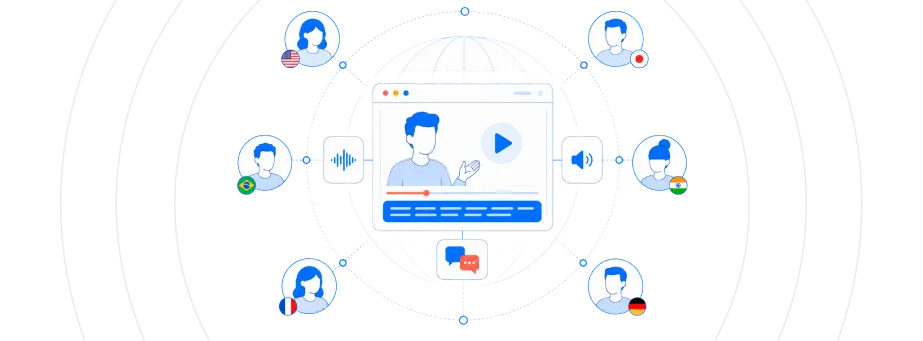
Video gets a message across language barriers and makes it stick. Insivia found that people retain 95% of a message when they watch it in video form, compared to just 10% when reading it in text. That makes it especially useful for reaching people in other languages.Source ↗ (opens in a new tab)
Add subtitles or dubbing and a local angle, and one video can work in several markets.
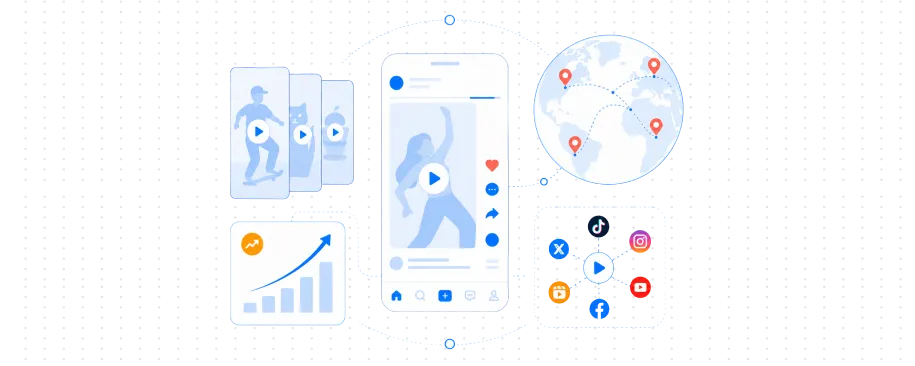
Short-form video is how many people discover brands now. HubSpot reports that short-form video use grew 58% year on year, led by TikTok, YouTube Shorts and Instagram Reels.Source ↗ (opens in a new tab)
If your customers are younger or mostly on mobile, short-form video belongs at the centre of your content plan.
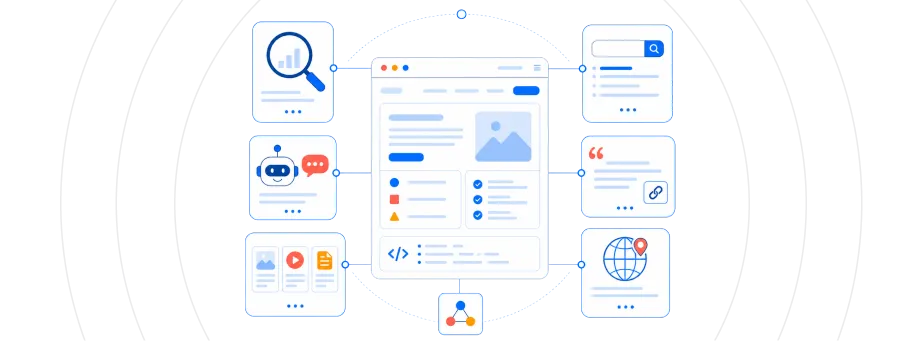
More people now research purchases by asking ChatGPT, Google AI Overviews, Gemini or Perplexity. Adobe Analytics reported that traffic from generative AI sources to U.S. retail websites rose 1,200% between July 2024 and February 2025.Source ↗ (opens in a new tab)
So content now needs to work for people and for AI tools: clearly structured, well sourced and easy to quote, in each language you publish in.
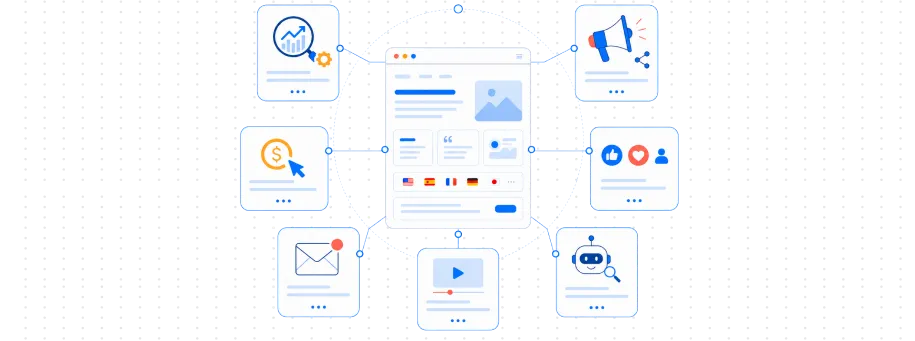
Good content feeds every other channel, from SEO and Digital PR to paid media, social, email and GEO. Wyzowl reports that 88% of video marketers see a positive ROI.Source ↗ (opens in a new tab)
Buffer notes that video earns 1,200% more shares than text and image content combined.Source ↗ (opens in a new tab)
Planning content across channels and markets together means each piece gets more use, and growth in one market supports the next.

We start by finding out what your audience cares about in each target market. Keyword research in each language, search trends, competitor content and local culture show us which topics and questions matter where, so the content matches what people actually search for.

We look at the questions, problems and motivations customers have in each region, at each stage of buying, and how they differ between cultures. Then we plan content that answers those questions in a way that makes sense locally.

We choose the right formats for each audience, from articles and video to infographics, short-form content and original data. Everything is optimized for search, structured so AI tools can cite it, and localized for each market. Along with the language, we adapt the tone, the imagery and examples, and sometimes the structure itself.

Publishing isn't enough. We promote content where your audience already spends time, through social media, email, your communities, partner channels and Digital PR. Coverage and mentions on other sites add the authority that gets content read, ranked and recommended by AI tools.

We track engagement, conversions, rankings and AI citations in each market to see what's working. We adjust based on the numbers, then take what works into new languages, countries and formats.
Review your existing content in each market and language to find gaps, duplicates, weak pages and room to expand.

Research what people search for and ask in each market and language, then plan editorial calendars around it.

Write content in each language you need, built to rank, to be cited by AI tools and to be read by people.

Produce localized video and short-form content in the formats growing fastest in each market.

Promote content through social media, email, partners, paid ads and Digital PR, so the right people see it and other sites start citing it.

Report engagement, conversions, rankings and AI citations by market, and use them to plan what comes next.
Cross-border growth is all we do, so we know how what people read and search for changes between languages and markets.
Our team plans, writes and localizes content in multiple languages, so it reads as if it was written locally.
We plan content with SEO and Generative Engine Optimization in mind, so each piece works in search results and AI answers.
We don't stop at publishing. Our Digital PR and distribution work gets your content seen, linked to and cited.
It's planning, creating, promoting and measuring content in several languages and markets, written to suit the people in each one.
Translation converts words from one language to another. Multi-language content marketing adapts everything: the tone, imagery, examples, structure, the keywords people search for and sometimes the topics themselves, so the content feels local.
Search engines and AI tools favour well-structured, credible content written for the local audience. Content in each language gets you into regional search engines and into the answers ChatGPT, Google AI Overviews, Gemini and Perplexity give in that language.
We'll help you choose based on commercial opportunity, search demand, competition and how ready each audience is. Most international content programs start with two to four priority languages and expand based on measured performance.
Content feeds your SEO, Digital PR, GEO, paid media, email and social. We plan it so one piece of research and writing supports several channels at once.
Make Sure Your Content Speaks to Every Market That Matters.
Translating your English content won't win new markets. Content written for each market, in its language and with its customers in mind, is what builds trust and demand there.
We plan, write and promote that content for you, and help it rank and get cited by AI tools.
Let's Build Your Global Content StrategyWhether you need a complete international growth strategy or advice on a single market, we'd like nothing more than to dive into the details of your project.